
Veneers
Esthetic additions mounted on the labial surfaces of teeth.



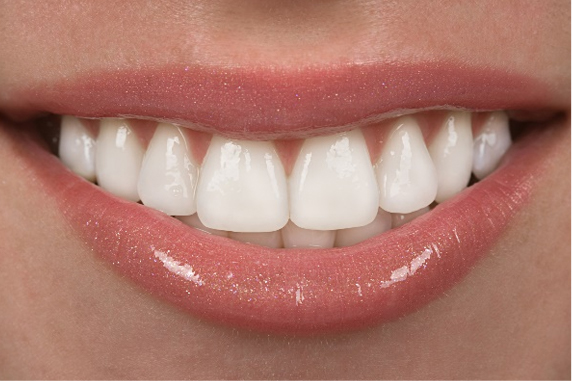
This is extremely important for both aesthetic reasons and for restoring lost functions of the oral cavity, such as chewing and speaking.
If you want to have a harmonious and beautiful smile, we recommend a prosthodontic consultation where you can discuss your expectations regarding the change in your smile. The dentist will advise on the appropriate treatment method. Ceramic veneers or crowns allow for a complete change in the color of the teeth to a snow-white shade and enable the correction of tooth shape. In the case of crowding, the teeth can be straightened without the need for wearing braces for a long period.

Esthetic additions mounted on the labial surfaces of teeth.

Durable fillings replacing traditional fillings.

Prosthetic restorations attached to heavily damaged teeth.

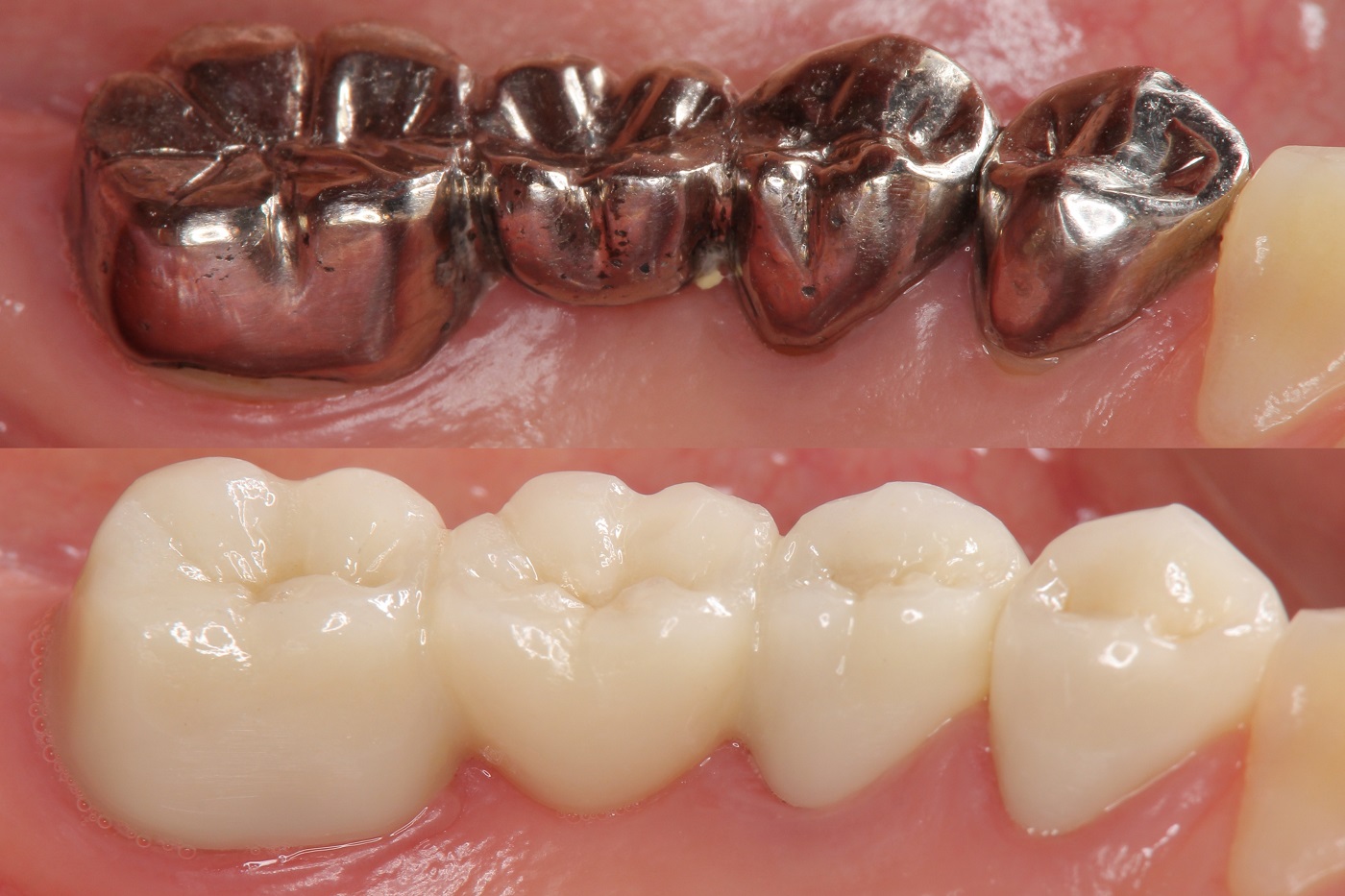
Replacements for missing teeth, anchored to filed adjacent teeth.

Removable prosthetic replacements for missing teeth
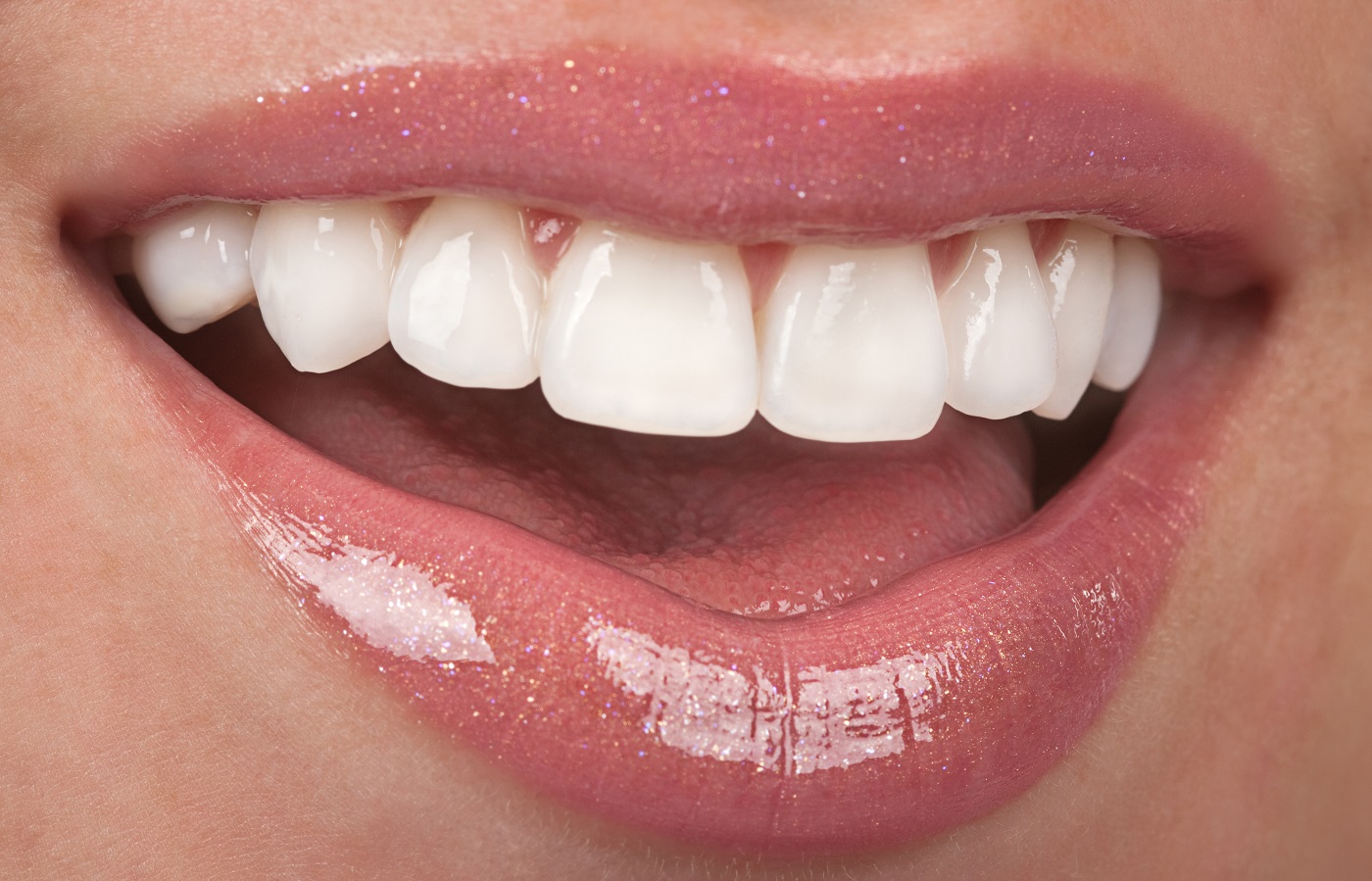
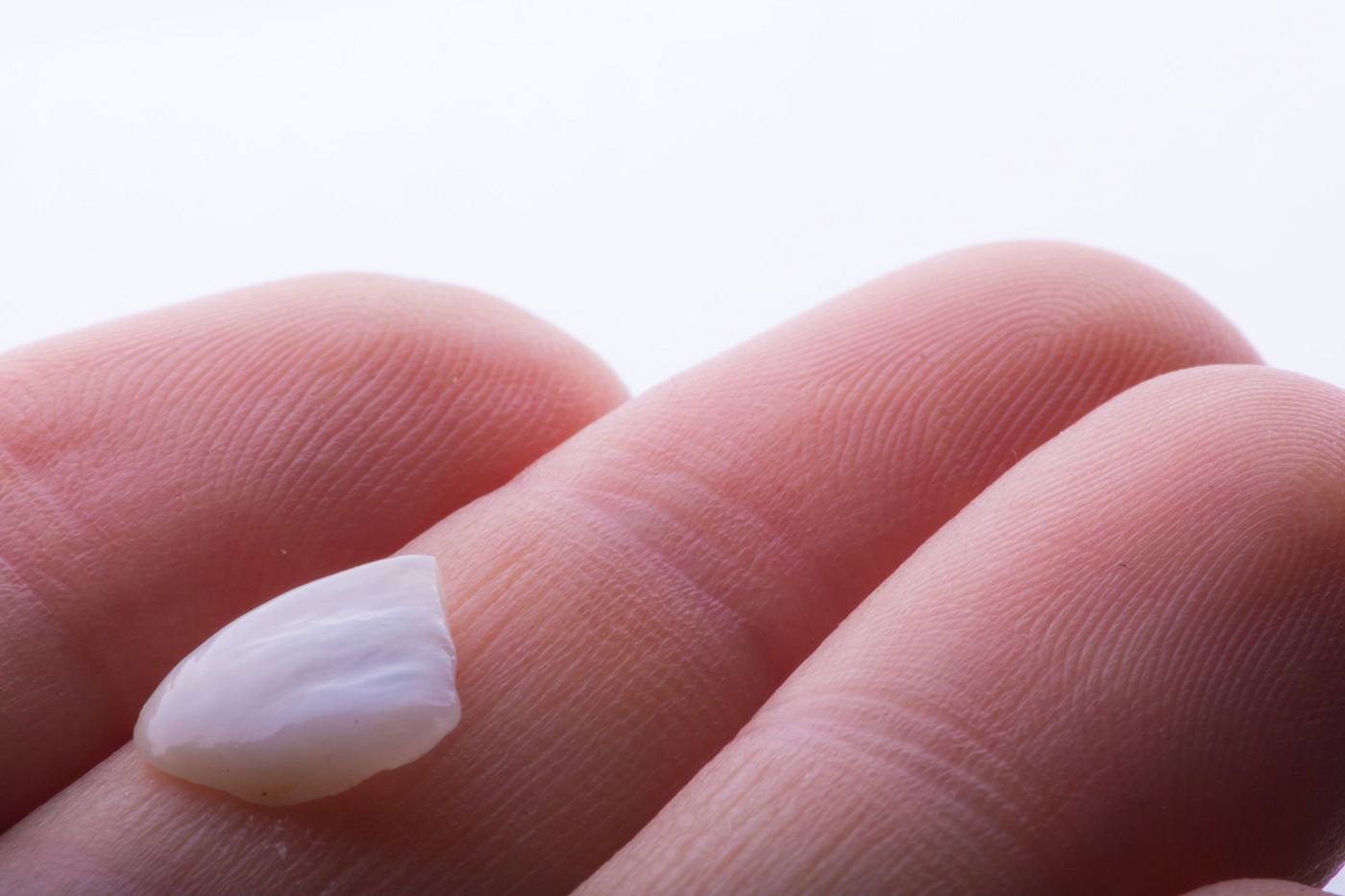
They are smooth and glossy, providing a natural tooth appearance. Ceramic veneers are very thin plates covering the front labial surface of the teeth. They are attached by the dentist using a special adhesive on a previously prepared tooth. Veneers allow for a quick change in the aesthetic appearance of the teeth. They are used to correct a single tooth or several teeth. The tooth is ground only on the labial side to a thickness of 0.3–0.7 mm.
The thickness of the porcelain veneer depends on achieving the intended effect and needs. If the planned change in tooth color or shape is minimal, so-called no-prep veneers can be done. If the change in color or tooth alignment is significant, the thickness of the veneer must be greater.
Veneers can be made of porcelain or composite. Porcelain veneers, also known as ceramic veneers, are perfectly smooth, glossy, and therefore more durable than composite veneers. They provide a natural tooth appearance. They are difficult to distinguish from other teeth.

During the first visit, the doctor and the patient determine the shape, color, and alignment of the future veneers. Determining the shape, length, and width of the future veneers is a crucial stage of the treatment, necessary before starting the tooth reduction.
Visualization is very helpful during this stage, with the use of a ‘wax up,’ which is a diagnostic waxing. The shape of the future veneers is waxed on a gypsum model reflecting the patient’s teeth. Using a quick-setting composite, the doctor can transfer this shape to the patient’s teeth, creating a ‘mock-up.’ The patient and the doctor can see the shape of the new teeth at this stage and easily adjust their length and shape.
During the second visit, with local anesthesia, the teeth are ground within the enamel only on the labial, facial side of the tooth, and the incisal edge. Precise prosthetic impressions are then taken, and the teeth are temporarily protected with provisional veneers until the next visit. The impressions, along with the agreed color and shape of the future tooth with the patient, are handed over.
In the third visit, usually after 3-4 days, the veneers are attached to the teeth using a special cement adhesive. Veneers are resistant to discoloration and guarantee a lasting effect of white and straight teeth. They maintain their aesthetic effect for approximately 10-15 years.
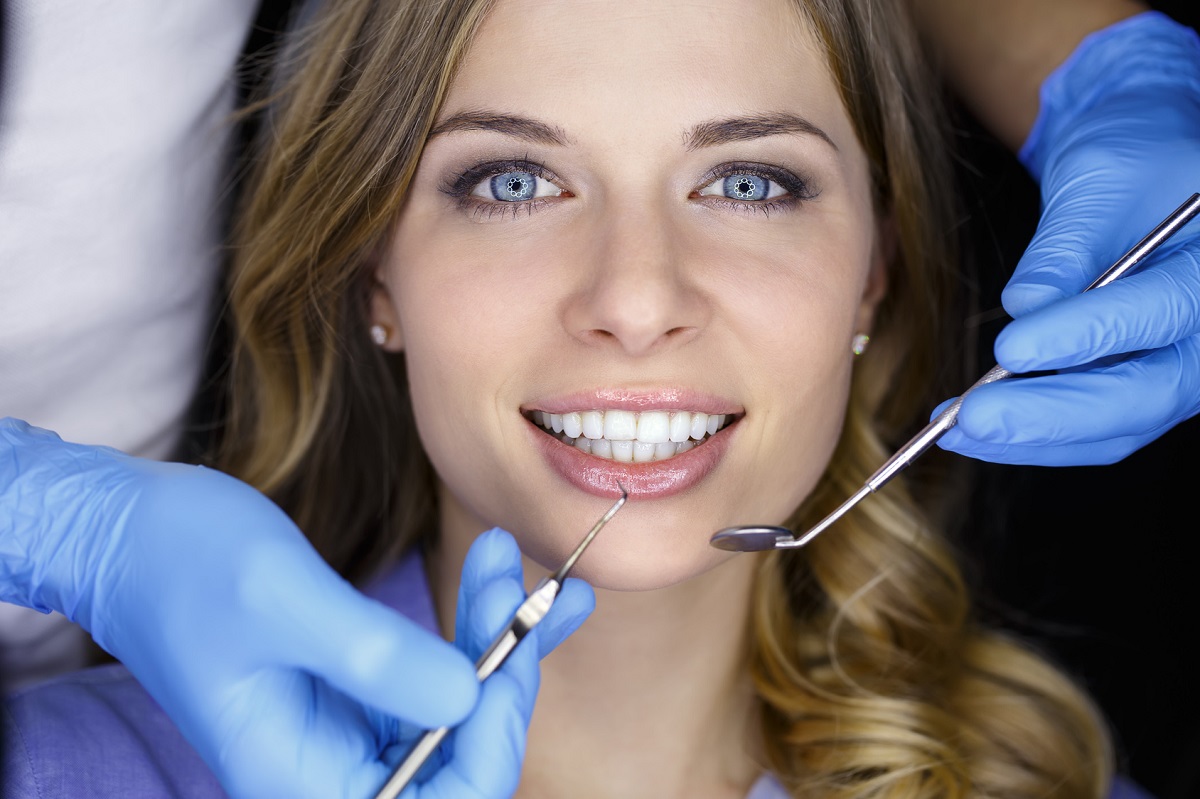
The minimally invasive tooth preparation for veneers nowadays makes the application of veneers almost akin to a cosmetic procedure.
Veneers are most commonly used to change the color of teeth in individuals with discolorations, especially those that cannot be removed through whitening. These often include changes in tooth color caused by the use of antibiotics from the tetracycline group or fluoride during childhood. Additionally, veneers effectively mask the dark color of a dead tooth resulting from pulp death or tooth trauma. When there’s a need to rebuild a broken or chipped tooth or to cover unaesthetic fillings in the front teeth, veneers are recommended. Ceramic veneers are also effective in: closing diastemas (gaps between incisors), quickly straightening front teeth, lengthening worn front teeth, or correcting tooth shape (when a tooth is too narrow or short).
As we can see, the applications of porcelain veneers are vast. They not only enhance aesthetics but also restore self-confidence.
It’s important to remember that veneers can only be applied to healthy teeth. Therefore, a visit to the dental office for a thorough diagnosis, including X-rays, is necessary to detect conditions such as hidden cavities.
Bruxism, or unconscious teeth grinding leading to tooth wear, is a contraindication for veneers, as well as malocclusions, especially those that could overly stress the veneers.
Furthermore, it’s not advisable to have veneers for individuals with excessively short teeth (the tooth surface should be sufficient to support the porcelain veneer), untreated gum diseases, smokers, or those prone to nail-biting or biting on objects.
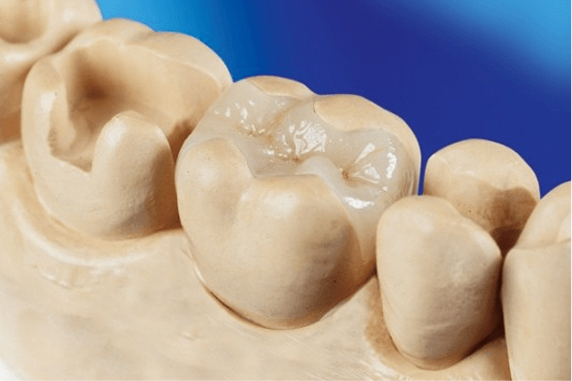
They are made of porcelain or composite resin and allow for precise restoration of the tooth’s shape. They replace traditional fillings, especially in extensive cavities in posterior teeth, where it is very difficult to reconstruct the necessary gum-contacting point vital for gingival health.
Inlay / Onlay is an alternative to traditional composite fillings that both dentists and patients are increasingly opting for. Why?
What sets Inlay/Onlay apart from traditional fillings is the technique of their production. Crown inlays are prepared in the dental laboratory, whereas ‘regular’ fillings are applied in layers directly onto the tooth. Inlay / Onlay is created based on dental impressions, allowing for a perfect fit to the missing part of the tooth. The work done in the dental laboratory is permanently attached during the second visit. A tooth restored in this way can serve the patient for years.
Durability – Due to greater resistance to wear and external forces, inlays and onlays typically last much longer than traditional fillings.
Aesthetics – In terms of appearance, Inlay/Onlay fillings are nearly indistinguishable from the natural tooth crown, significantly enhancing aesthetics compared to traditional fillings. Additionally, ceramic inlays stand out for better color stability, preventing discoloration over time.
Functionality – Using inlays is practically the same as having natural, healthy teeth. After their placement, the patient can return to eating their favorite foods without discomfort.
Cavity Prevention – The applied inlay undergoes a polymerization process, making it exceptionally tight and preventing the formation of microfissures where cavities could develop.
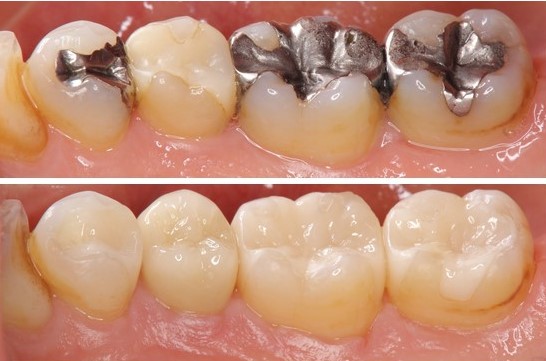
Inlay/Onlay for the treatment of posterior teeth (molars and premolars) – because crown inlays are made based on an impression, they allow for a perfect reproduction of the anatomical shape of the tooth, considering natural grooves and indentations. This enables an appropriate alignment of the reconstructed molar or premolar with the adjacent and opposing teeth.
For the restoration of contact points – inlays enable a precise reproduction of contact points with adjacent teeth, e.g., when dental decay has resulted in a significant loss of the tooth. The tooth will be perfectly matched with the remaining teeth, which is challenging to achieve with traditional fillings.An alternative to visible fillings – over time, old fillings become visible in the oral cavity (due to color changes and graying). Inlay fillings are made of porcelain, ensuring the durability of aesthetic effects.
Extensive tooth loss is a contraindication for their use – in the case of significant tooth destruction, reconstruction should be done using a crown-root inlay and a prosthetic crown.
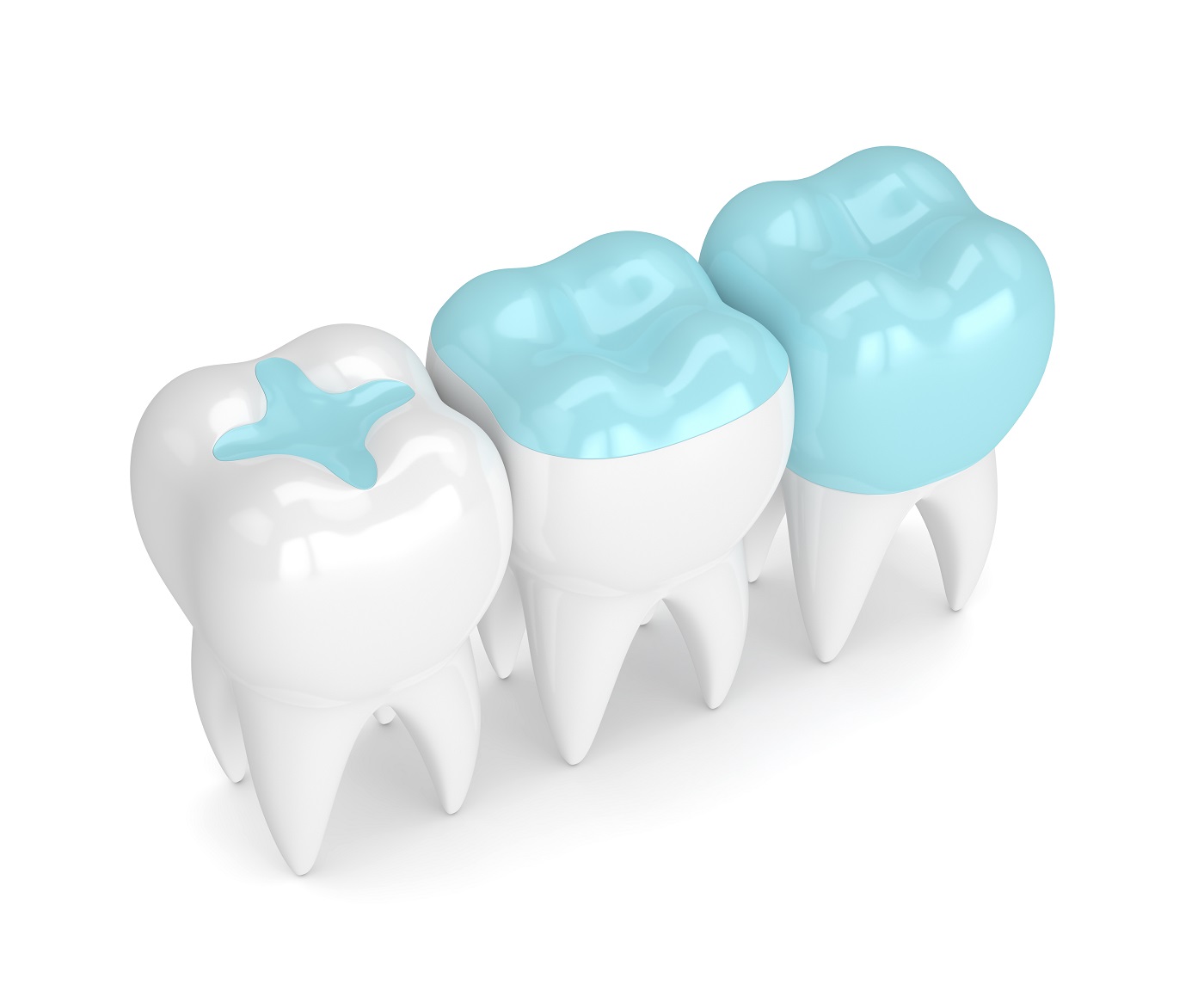
The types of inlays are determined by the extent of the reconstruction of the chewing surface and in accordance with the scale of tooth damage, and they come in three types:
Inlay– Reconstruction does not include any cusps of the tooth.
Onlay– Reconstruction covers part of the tooth’s cusps, serving as an alternative to a crown.
Overlay– Reconstruction covers the entire upper layer of the tooth, also an alternative to a crown.
Inlays, onlays, and overlays can be made of porcelain resin (e.g., onlays within the smile line), composite resin (for uneven or teeth damaged by grinding), and even gold (e.g., onlays made on the back teeth). An inlay is more durable than traditional composite or amalgam fillings, while an onlay used instead of a crown allows for saving a larger portion of the natural tooth.
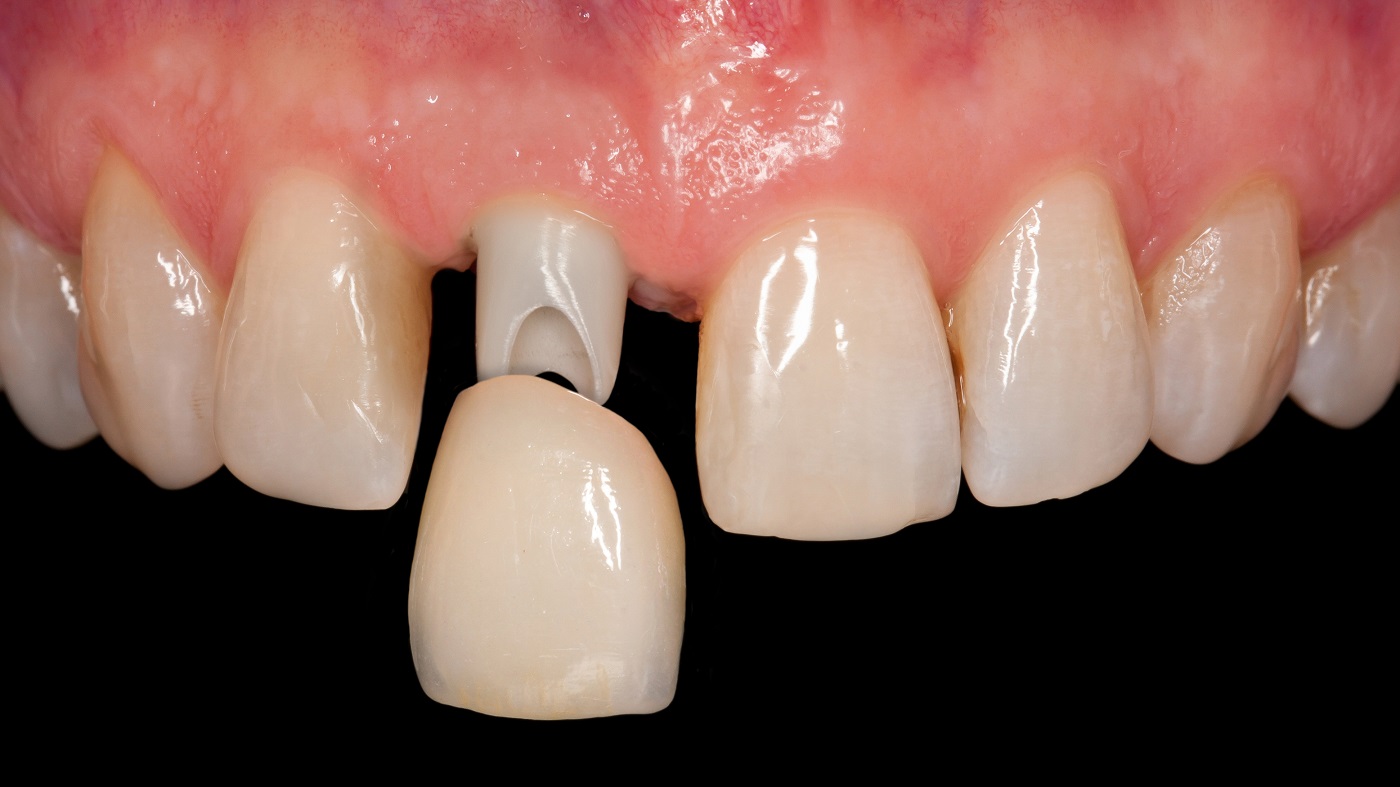
Crowns are characterized by their high durability and aesthetics.
Full-ceramic crowns without a metal base replicate natural dentition most accurately, as they transmit light better than porcelain-fused-to-metal restorations. A ceramic crown strengthens the tooth while restoring its proper shape and color, with the possibility of adjustments based on the patient’s individual preferences.
In the case of a substantial fracture of a tooth crown, it can be rebuilt using the tooth’s own root. The tooth’s root is reinforced using a crown-root post made of glass fibers or metal. This post serves as a foundation for the ceramic crown.
Many celebrities owe their perfect smiles to ceramic crowns or porcelain veneers.
A porcelain bridge consists of several porcelain crowns. The crowns are securely attached to the abutment teeth, providing comfort in using this prosthetic restoration.
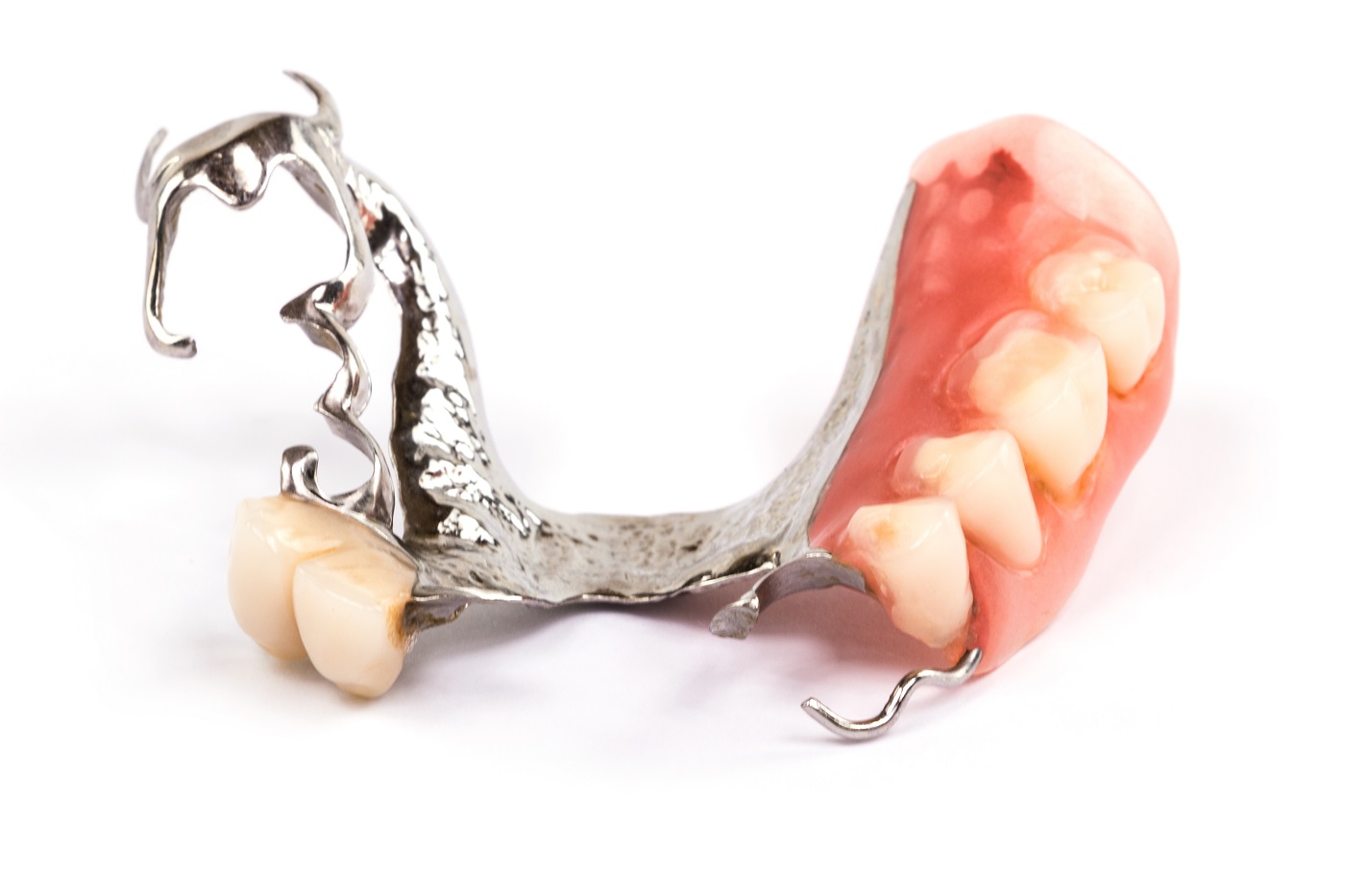
Removable dentures are prosthetic restorations that the patient can take out of the oral cavity (e.g., for cleaning).
They include: